
Planning a sinus lift in Nairobi? Learn about our advanced 3D mapping technology, recovery expectations, and 2026 pricing in this comprehensive patient guide.
Everything You Need to Know About Sinus Lifts Before Getting Dental Implants
Don’t worry, you’re not alone, and this post is here to clear up all the mystery. We’ll walk you through what a sinus lift is, why it matters for dental implants, what the process looks like, and how recovery works. By the end, you’ll know exactly what to expect and why it’s a smart move for long-term dental health.
What Is a Sinus Lift?
Let’s start with the basics. A sinus lift—also called a sinus augmentation—is a surgical procedure that adds bone to your upper jaw in the area near your molars and premolars. The goal? To make sure there’s enough bone to securely place dental implants.
Here’s the thing: your maxillary sinuses (those air-filled spaces above your upper teeth) sit right behind your cheeks and on top of your upper jawbone. Sometimes, the bone in that area isn’t thick enough or tall enough to hold an implant. That’s where a sinus lift for implants comes in.
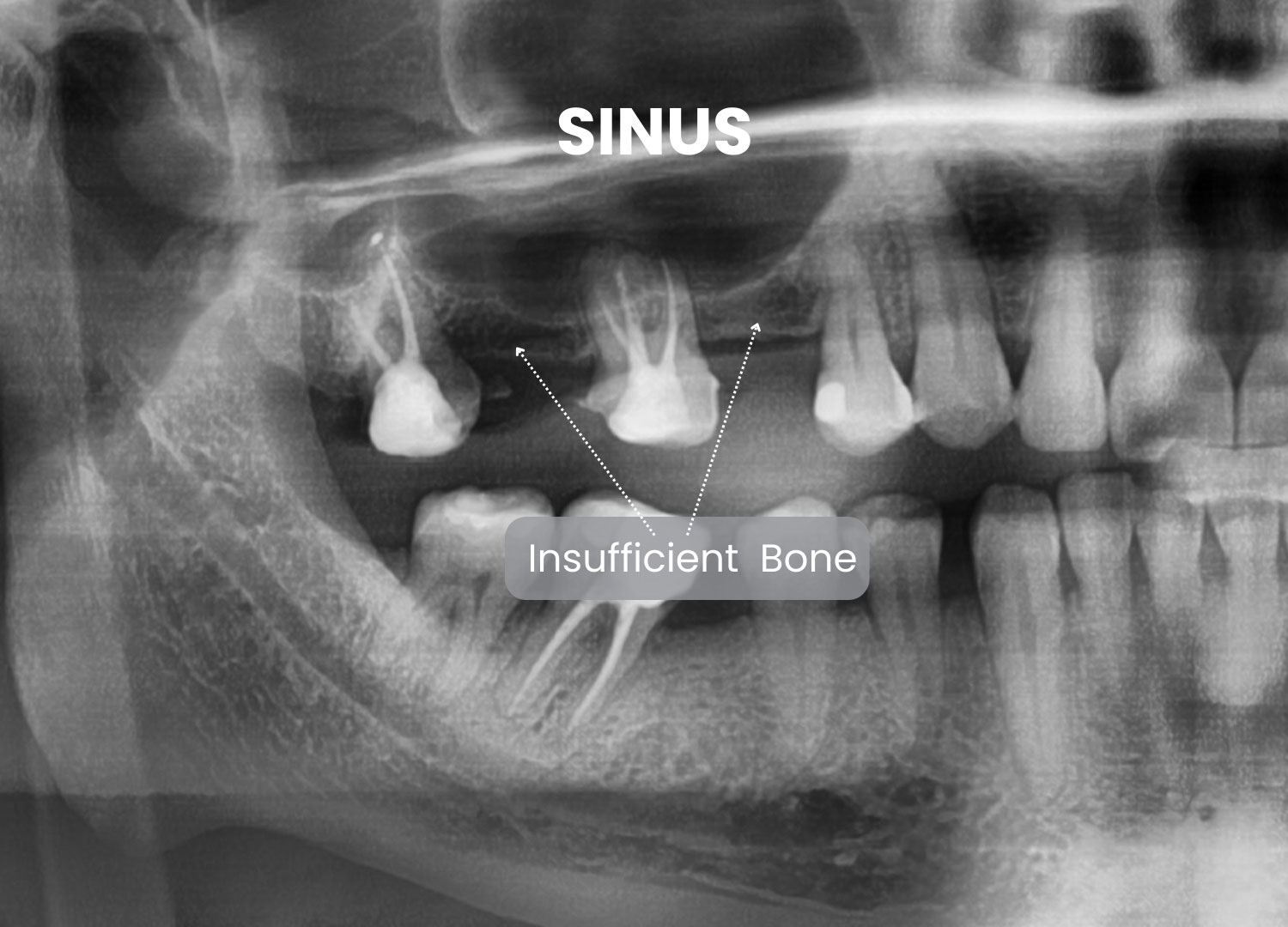
In simple terms, the implant specialist, Dr. Joseph Gakonyo in Nairobi, Kenya, “lifts” the sinus membrane upward and packs bone graft material into the space below it. This builds up the height of your bone so an implant can be safely placed later.
Why Would Someone Need a Sinus Lift?
Great question and there are actually a few reasons why someone might not have enough bone in their upper jaw for dental implants:
1. Tooth Loss and Bone Resorption
If you lost your upper back teeth a while ago (especially molars), the jawbone in that area may have started to shrink. Bone resorption is a natural process after tooth loss, your body stops sending nutrients to the area because there’s no longer a tooth to support.
2. Natural Anatomy
Some people just naturally have large sinus cavities and less bone in the upper jaw. That combination makes it hard to securely anchor an implant without a little help.
3. Gum Disease or Infection
Periodontal disease can erode both gum tissue and bone. If you’ve had advanced gum issues in the past, your bone levels may be too low for implants on their own.
4. Previous Surgeries or Trauma
Injuries or surgical complications in the upper jaw region can also lead to bone loss, making a sinus lift necessary for successful implant placement.
What Happens During a Sinus Lift Procedure?
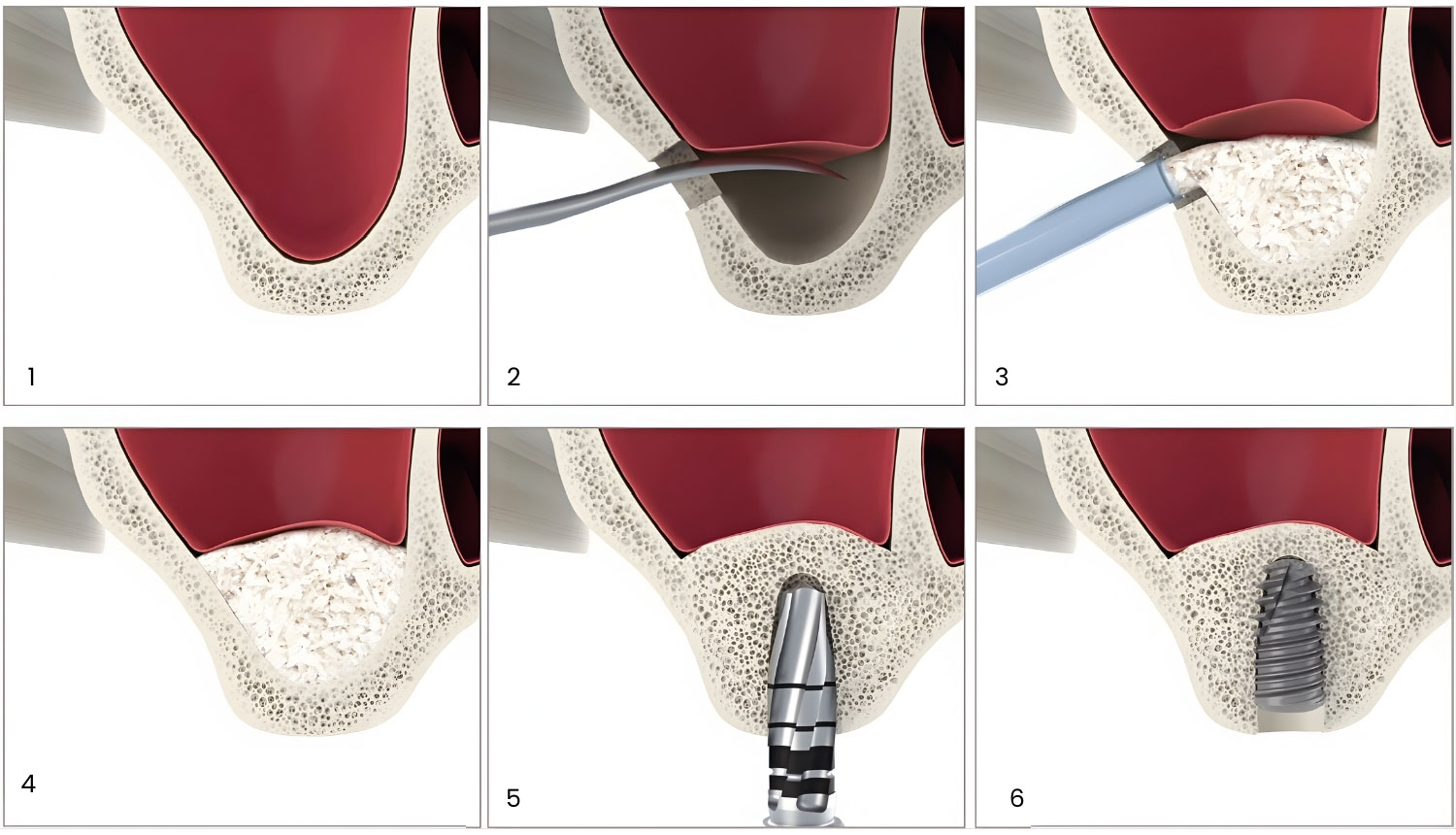
Here’s a general breakdown of what the procedure looks like:
Step 1: Consultation and Imaging
You’ll first meet with your dental specialist at Summit Dental Care, who will take X-rays or a CBCT scan (a 3D image of your jaw and sinuses). This shows how much bone is currently there and whether a sinus lift is needed. Using our AI implant planning applications (coDiagnostiX and Smilecloud), a surgical guide specific to your jaws is fabricated.
Step 2: Surgery Day
You’ll be given local anesthesia, and in some cases, sedation. Your surgeon, Dr. Joseph Gakonyo, will make a small incision in the gum tissue where the implant will eventually go. Then, they create a window in the jawbone and gently push the sinus membrane upward to make space.
Step 3: Bone Grafting
Bone graft material (which might be from your body, a donor, or synthetic) is packed into the space created by lifting the sinus. This builds up the bone height in the area.
Step 4: Stitching and Healing
The gum is stitched up, and then you’ll go into healing mode. Over time, your body will integrate the bone graft and generate new, strong bone in that area.
What’s the Recovery Like After a Sinus Lift?
Good news—it’s typically not as bad as people imagine.
Most patients report mild to moderate discomfort, swelling, or a feeling of fullness in the cheek or sinus area. Pain is usually manageable with over the counter or prescribed medications, and many people are back to normal activities within a few days.
Here are a few common recovery tips:
- Don’t blow your nose (this can shift the graft)
- Avoid sneezing forcefully
- Avoid heavy exercise, scuba diving, and flying for at least 3 weeks post-op to prevent pressure on the surgical site.
- Sleep with your head elevated
- Stick to soft foods for the first few days
- Avoid smoking, as it interferes with healing
Dr. Joseph Gakonyo will likely give you antibiotics, pain relievers and a nasal spray to keep everything clear and infection-free.
How Long Does It Take to Heal?
This is the part that requires patience. After a sinus lift and bone graft, your jaw needs time to heal and grow new bone. It usually takes 4 to 9 months for the area to be ready for dental implants.
The healing time depends on:
- The amount of bone added
- Your body’s natural healing response
- Whether other procedures were done at the same time
In some cases, if enough bone is already present, the dental implant might be placed at the same time as the sinus lift. But often, they’re done in two separate stages.
Are Sinus Lifts Safe?
Yes, sinus lifts are generally very safe and routine when performed by a qualified oral surgeon or periodontist. Dr. Joseph Gakonyo is an accomplished surgeon, having received advanced training at the University of Bern (Switzerland) and the Urban Regeneration Institute (Hungary). His expertise includes sinus lift procedures and the application of cutting-edge biological growth factors, ensuring safe and reliable outcomes for patients.
Understanding Potential Risks - Sinus Lift Procedures
Every surgery carries some level of risk. While these complications are uncommon, we want you to be fully informed about the specific risks associated with your sinus lift and implant procedure.
General Risks for All Sinus Lifts
- Membrane Perforation: The sinus is lined by a very thin membrane. Occasionally, this membrane can get a small tear or puncture during the lift. If this happens, we usually repair it immediately with a specialized collagen patch or sutures.
- Infection: As with any surgery, there is a small risk of infection at the graft site or within the sinus. This is typically managed with antibiotics.
- Bleeding: While there is a small risk of encountering a blood vessel during the procedure, we take several proactive steps to ensure your safety:
- Advanced Mapping: We use high-resolution 3D scans before surgery to map out your specific anatomy. This allows us to see exactly where blood vessels are located so we can avoid them.
- Precision Technology: We always have laser equipment on hand. In the unlikely event that a vessel is nicked, the laser can instantly seal the area and stop any bleeding quickly and effectively.
Risks Specific to Your Procedure Type
1. If having a “Simultaneous” procedure (Lift + Implant at once):
- Implant Movement: In rare cases, the dental implant can slip into the sinus cavity.
- The Fix: This is usually not an emergency. We can often reposition it simply by changing your head position or using a minor surgical procedure to retrieve it. If an infection occurs, a specialist can use a tiny camera (endoscope) to remove it and clear the sinus.
2. If having a “Lateral Window” approach (Side of the jaw):
- Bleeding: There are small blood vessels in the jaw wall. To minimize the risk of bleeding, we use advanced tools like piezo surgery (ultrasonic vibrations) and surgical guides for high precision.
3. If having a “Transcrestal” approach (Through the same hole the implant is placed):
- Monitoring Progress: Because this is a "blind" procedure, we use imaging (X-rays) before and during the lift to monitor the height of our lift and ensure the lift is progressing safely.
Note: We use specialized equipment and careful planning to minimize these risks. Most of our patients recover smoothly by following our post-operative care instructions.
What Kind of Bone Is Used in a Sinus Lift?
Another great question—there are several options:
- Autogenous bone (from your own body—often the chin or the area behind your lower molars)
- Allograft (from a human donor, processed and safe)
- Xenograft (from an animal, usually bovine/cow or porcine/pig)
- Synthetic materials
Each type has pros and cons in terms of integration time, availability, and cost. Dr. Joseph Gakonyo follows protocols based on the best available evidence to manage your specific situation.
Cost of a Sinus Lift
Prices vary based on location, complexity, and the type of bone graft used, but generally, you can expect a sinus lift procedure in Nairobi to cost between Ksh. 45,000 and Ksh.100,000 per side
This is separate from the cost of dental implants, which usually starts from Ksh. 160,000 per implant in Kenya.
While this might seem like a big investment, remember that a properly done implant sinus lift helps create the foundation for a successful, long-lasting implant. You’re building a solid base!
Can Everyone Get a Sinus Lift?
Not necessarily. You may not be a candidate if you:
- Have sinus pathologies/conditions that may be made worse by sinus grafting
- Have certain systemic health conditions (like poorly controlled diabetes)
- Smoke heavily (more than 10 sticks per day) and aren’t willing to quit
- Have bone disorders or are undergoing cancer treatments (radiotherapy to the head and neck region)
- Have had recent tooth extractions in the back upper jaw
Dr. Joseph Gakonyo will carefully assess your overall health and imaging results to make sure a sinus lift is the right path for you.
Is a Sinus Lift Worth It?
Absolutely—if it’s what’s standing between you and a healthy, functional smile with dental implants.
A sinus lift for dental implants might sound like a big deal, but it’s a routine and highly successful procedure that’s opened the door to implant treatment for thousands of people who otherwise wouldn’t be candidates.
With the right planning, skilled care, and a little patience during healing, a sinus lift can give you the best possible shot at a stable, confident, natural-looking smile.
Yes, it adds time and cost to your treatment plan. But think about it this way: Would you rather cut corners and risk implant failure? Or would you rather invest in a rock-solid foundation that’ll last for decades?
Your Sinus Lift Aftercare Checklist: Dos and Don’ts for Healing
To facilitate a smooth healing process following a sinus lift procedure, it is crucial to maintain the stability of the bone graft and allow the sinus lining to heal properly. Initial recovery typically spans about two weeks, while certain restrictions may extend up to four weeks to avoid sinus pressure. At Summit Dental Care, every patient is provided with clear, written post-operative instructions to ensure easy understanding and adherence. The following is a summarized version of our aftercare instructions:
Key Sinus Precautions (Crucial)
- Do NOT Blow Your Nose: Refrain from blowing your nose for at least 2–4 weeks. If you must sneeze, do so with your mouth open to prevent pressure buildup.
- Do Not Use Straws or Spit: Avoid creating suction in your mouth, which can dislodge the blood clot and bone graft. Avoid using straws for at least 7 days.
- Avoid Pressure Activities: No smoking, vaping, or using nicotine products for at least 2 weeks, as this is the primary cause of graft failure and infection.
- Avoid air travel, scuba diving, playing wind instruments, or blowing up balloons for 4 weeks.
- Nasal Hygiene: If you feel congested, use saline nasal spray as advised by our specialist to keep passages moist.
Immediately Following Surgery (First 24-48 Hours)
- Bleeding Management: Slight oozing is normal. Bite firmly on the provided gauze for 30–45 minutes.
- Swelling and Bruising: Expect swelling to peak at 48–72 hours. Apply ice packs (20 minutes on/20 minutes off) to the cheek for the first 36–48 hours to minimize this.
- Rest: Keep your head elevated on 2-3 pillows while sleeping to reduce swelling.
Diet and Oral Hygiene
- Diet: Stick to soft, cool foods for the first 24-48 hours (yoghurt, smoothies, mashed potatoes, lukewarm soup). Avoid hot, spicy, or crunchy foods for at least a week.
- Oral Hygiene: Do not rinse or spit for the first 24 hours. After 24 hours, start gentle warm salt water rinses, particularly after meals.
- Brushing: Brush your teeth carefully, but avoid the surgical area for the first few days.
Medication
- Take prescribed antibiotics to prevent sinus infection, ensuring you finish the entire course.
- Manage pain with over-the-counter medication (like Ibuprofen and Paracetamol) as recommended by our specialist, ideally starting before the numbness wears off.
When to Contact Your Dentist in Kenya
- Heavy, persistent bleeding that does not stop after applying pressure.
- Increased swelling or pain after the third day.
- If you feel air or liquids passing between your mouth and nose.
- Fever above 101.5°F (38.6°C).
Quick FAQ Recap
About 4 to 9 months for full healing before implants are placed.
Most patients treated at Summit Dental Care report mild to moderate discomfort, not severe pain.
Sometimes, but usually only if there’s already enough bone present.
Yes, especially when done by an experienced specialist like Dr. Joseph Gakonyo.
Where to find sinus lift services in Kenya
Are you in search of a trusted, highly trained and experienced dentist to provide a safe and predictable sinus lift, either before or concurrently with implant placement? Dr. Joseph Gakonyo is a renowned researcher and clinician who routinely performs both simple and complex sinus lift procedures at Summit Dental Care in Nairobi.
We provide affordable and safe sinus lift procedures at our clinic, which is conveniently situated at Alta Towers along Ring Road in Kilimani, right next to Yaya Center. Book a consultation appointment today at +254743111999 , [email protected], or through our online booking..