
Gum Treatment / Periodontics in Nairobi
Specialist Gum Treatment in Nairobi
Restore the health of your gums around teeth and implants with our specialist gum disease treatment in Nairobi.
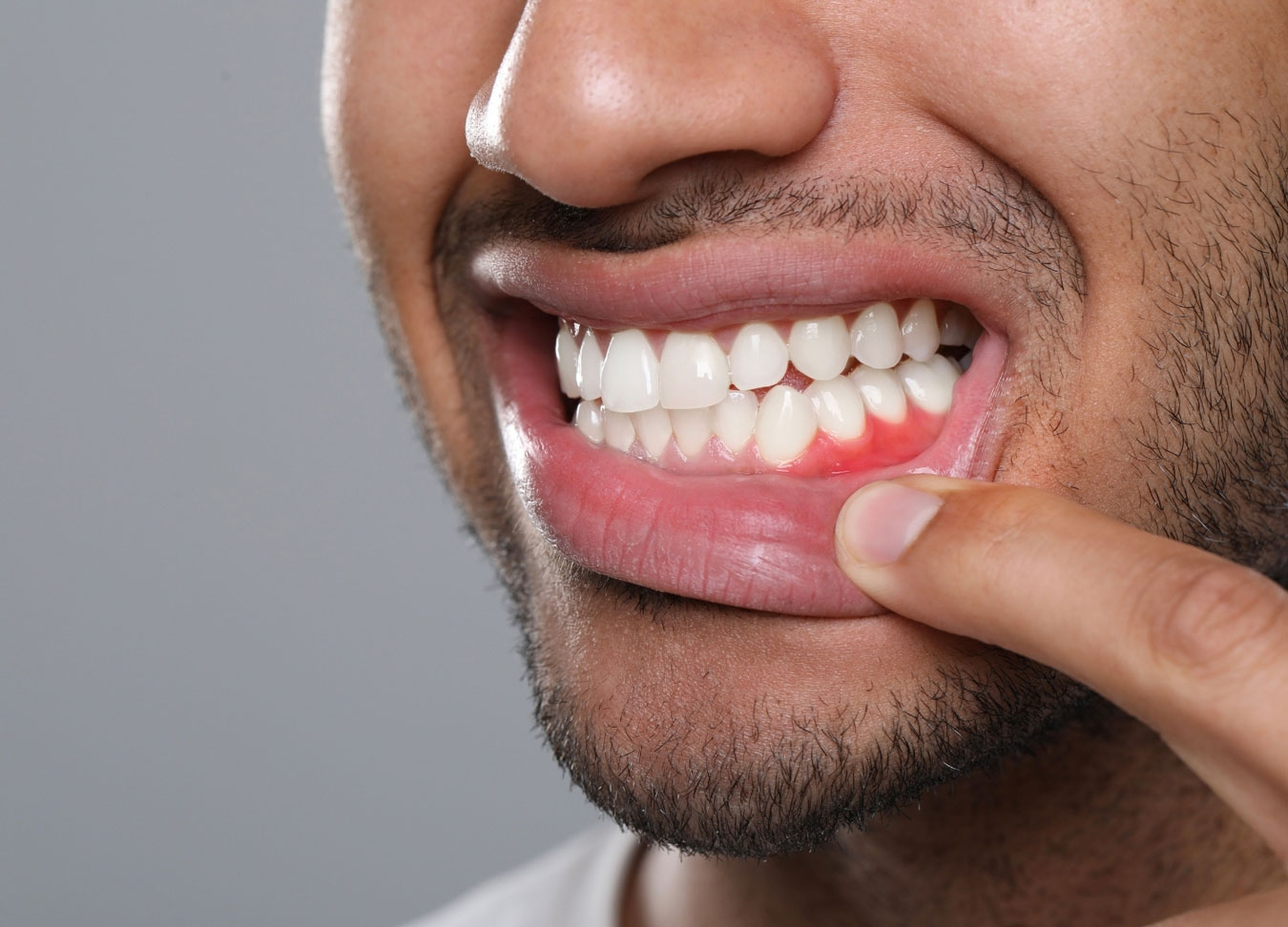
What is gum disease?
Healthy gums are critical to overall oral hygiene and health. Periodontal therapy involves the treatment of gum disease from its early stages (gingivitis) to the more advanced stages of the disease (periodontitis), which include bone loss and the destruction of the tooth’s supporting attachment. When gum disease occurs around dental implants, the condition is termed as peri-implantitis. Gum treatment procedures can also be cosmetic in nature, resulting in a more aesthetic smile.
In the earliest stages, gum diseases are generally treated with non-surgical procedures. However, when the loss of the tooth’s attachment has progressed significantly, surgical intervention may be necessary. Soft tissue grafting procedures address the deterioration of the gum tissues, while bone augmentation procedures repair bone loss. These procedures are performed on our dental chair in Nairobi with only local anesthesia.
Our practice offers a wide range of periodontal services including:
1. Scaling and Root Planing
This is the most common non-surgical treatment for gingivitis (early gum disease), and the initial therapy for periodontitis (advanced gum disease). Prior to this deep cleaning procedure, local anesthesia is administered, and dental plaque and tartar are removed from beneath the gums. The roots are then smoothed to encourage the gums to reattach to the teeth, reducing pockets where bacteria and debris can collect.
Scaling and root planing treatments are only performed after a thorough examination of the mouth. The dentist will take X-rays, conduct visual examinations and make a diagnosis before recommending or beginning these procedures.
Depending on the current condition of the gums, the amount of calculus (tartar) present, the depth of the pockets and the progression of the periodontitis, local anesthetic may be used.
Scaling – This procedure is usually performed with special dental instruments and may include an ultrasonic scaling instrument. The scaling instrument removes calculus and plaque from the surface of the crown and root surfaces. In many cases, the scaling instrument includes an irrigation process that can also be used to deliver an antimicrobial agent below the gums that can help reduce oral bacteria.
Root Planing – This procedure is a specific treatment which serves to remove cementum and surface dentin that is embedded with unwanted microorganisms, toxins and tartar. The root of the tooth is literally smoothed in order to promote good healing. Having clean, smooth root surfaces helps bacteria from easily colonizing in future.
During the next appointment, the dentist or hygienist will thoroughly examine the gums again to see how well the pockets have healed. If the gum pockets still measure more than 3mm in depth, additional and more intensive treatments may be recommended.
At Summit Dental Care, our dental hygienists combine maunual and modern ultrosonic instruments to perform gentle deep cleaning. As the leading gum treatment and hygiene clinic, we ustilise EMS air/pwder polishing to give your teeth a fine and gloss finish.
Read More About All Our Periodontal Treatments
Periodontal health can be prevented with proper dental care and treated at each stage. A comprehensive list of more than seven periodontal treatment procedures available at Summit Dental Care is provided here.
2. Pocket Reduction Surgery
The human mouth contains dozens of different bacteria at any given time. The bacteria found in plaque (the sticky substance on teeth) produce acids that lead to demineralization of the tooth surface, and ultimately contribute to periodontal disease.
Periodontal infections cause a chronic inflammatory response in the body that literally destroys bone and gum tissues once they invade the subgingival area (below the gum line). Gum pockets form and deepen between the gums and teeth as the tissue continues to be destroyed.
Reasons for the pocket reduction surgery
Pocket reduction surgery is a common periodontal procedure which has been proven effective at eliminating bacteria, reducing inflammation and saving teeth. The goals of pocket reduction surgery are:
- Reducing bacterial spread – Oral bacteria has been connected to many other serious conditions such as diabetes, heart disease and stroke. Oral bacteria can travel to various parts of the body from inside the bloodstream and begin to colonize. It is important to decrease bacteria in the mouth in order to reduce the risk of secondary infection.
- Removal of Sub-Gingival Calculus (Tartar)
- Halting bone loss – The chronic inflammatory response induced by oral bacteria leads the body to destroy bone tissue. As the jawbone becomes affected by periodontal disease, the teeth lose their rigid anchor. When the teeth become too loose, they may require extraction.
- Facilitate home care – As the gum pockets become progressively deeper, they become incredibly difficult for the patient to clean. The toothbrush and dental floss cannot reach the bottom of the pockets, increasing the risk of further periodontal infections.
- Implant Complication Management
- Enhancing the smile – An oral cavity that is affected by periodontal disease is not attractive to the eye. In fact, smiles may be marred by brown gums, rotting teeth and ridge indentations. Pocket reduction surgery halts the progression of gum disease and improves the aesthetics of the smile.
What does pocket reduction surgery involve?
Before recommending treatment or performing any procedure, the dentist will perform thorough visual and X-ray examinations in order to assess the condition of the teeth, gums, and underlying bone. Pocket reduction surgery can be performed using a local or under sedation depending on patient preferences.
The gums will be reflected from the teeth and bacteria and calculus (tartar) will be removed. Scaling and root planing will generally be required to fully remove the calculus (tartar) from the surface of the tooth root. If the root is not completely smooth, a planing procedure will be performed to ensure that when the gums do heal, they will not reattach to rough or uneven surfaces.
The final part of the surgery is where the gum is then sutured with tiny stitches that are left in place for 10-14 days.
Though the gums will be more sensitive immediately following the procedure, there will be a significant reduction in pocket depth and a vast improvement in the condition of the teeth and gums.
3. Frenectomy
There are multiple frenula in the mouth: the lingual frenum is the muscular attachment connecting the tongue to the floor of the mouth, while the labial frenum attaches the lip to the gum on both the upper and lower arches in the mouth. When a frenum causes oral function issues, a frenectomy is needed. This is a simple procedure in which the area is numbed with local anesthesia and a small incision is made to remove or reduce the frenum.
At Summit Dental Care, we routinely perform laser surgery for frenectomy. This gives a better postperative treatment experience as there is less pain, faster healing and no scars form after laser surgery. Our laser treatment is painfree and requires very limited amount of locasl anesthesia. This is good news that you can have minor dental surgery with no injection.
4. Crown Lengthening
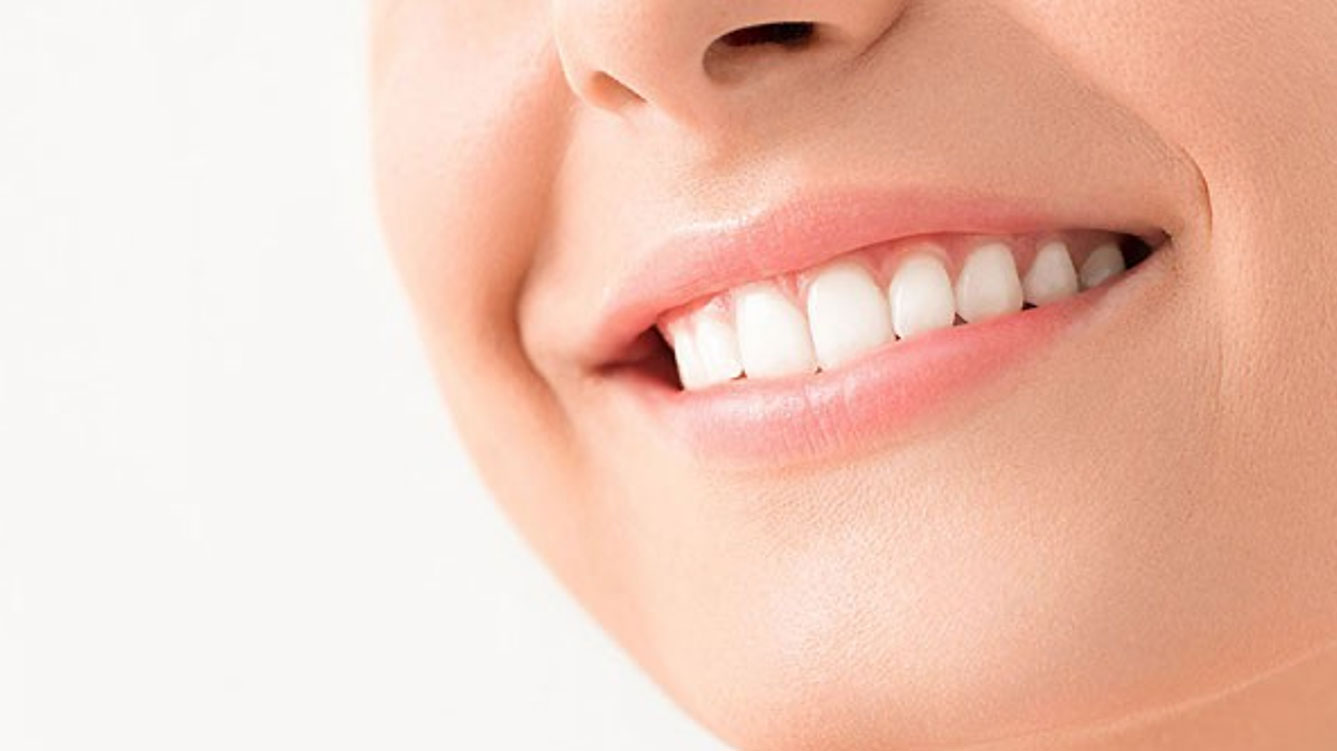
Crown lengthening is generally performed to improve the health of the gum tissue or to prepare the mouth for restorative or cosmetic procedures. In addition, crown lengthening procedures can also be used to correct a “gummy” smile, where teeth are covered with excess gum tissue. Crown lengthening exposes more of the natural tooth by reshaping or recontouring bone and gum tissue. This treatment can be performed on a single tooth, many teeth, or the entire gum line, exposing an aesthetically pleasing smile.
Reasons for crown lengthening
Crown lengthening is a versatile and common procedure that has many effective uses and benefits. The vast majority of patients who have undergone this type of surgery are highly delighted with the results.
Here are some of the most common reasons for crown lengthening:
- Restoration of damaged teeth – Periodontal disease can cause severe damage to the teeth, as can trauma and decay. Where teeth have been broken beneath the gum line, crown lengthening can be used to prepare the area for a new restoration to correct the damaged teeth. This is also known as Funtional Crown Lengthening.
- Cosmetic uses – Extra gum tissue can make teeth look unnaturally short and can also increase susceptibility to periodontal infections. Removing excess gum tissue can restore a balanced, healthy look and improve the aesthetic appearance of the smile. This is also known as Esthetic Crown Lengthening.
- Dental crowns – Crown lengthening provides more space between the supporting jawbone and dental crown. This prevents the new crown from damaging gum tissues and bone once it is in place.
What does crown lengthening involve?
Crown lengthening is normally performed under local anesthetic. The amount of time this procedure takes will largely depend on how many teeth are involved and whether a small amount of bone needs to be removed along with the soft tissue. Any existing dental crowns may be removed prior to the procedure and replaced immediately afterwards. Dental x-rays and CBCT scans are often necessary to ensure correct amount of bone is removed for a stable long term result.
At Summit Dental Care in Nairobi, we perform hundreds of gum surgery/ crown lengthening to treat gummy smile. We combine CBCT scanning with Smilecloud design software to design surgical guides for the best esthetic outcome guided by AI smile design.
5. Gum Grafting
Gums that have receded can be treated with gum grafting / root coverage. In this procedure, tissue is removed from the roof of the mouth or other areas and stitched onto the teeth with over-exposed roots. Alternatively, donor tissue or collagen membranes, instead of the patient’s tissue, can also be used to treat gingival recession.
If gum recession is present and tooth roots are exposed, a gum graft may be recommended. This procedure is used to control and prevent further gum recession and subsequent damage to the surrounding teeth and bone structure. Often, a soft tissue graft also improves the appearance of a patient’s smile and eliminates sensitivity to heat and cold.
During a soft tissue graft, tissue is surgically placed to cover as much of the exposed root area as possible. Often, a tissue flap is created to allow the added tissue to be joined to the existing gums to facilitate tissue growth and healing. This procedure may be used to treat one or several adjacent teeth at the time of the surgery.
Dr. Joseph Gakonyo has undergone specialised training in the treatment of gum recession and periodontal disease, and manages multiple cases each week at our dental clinic in Nairobi.
Why gum grafting may be recommended...
There are times when there are cosmetic reasons to perform a gum graft. In these cases, a soft tissue graft can improve the appearance of a smile even if the patient does not have a medical reason to perform the procedure. If gum tissue is uneven or not providing sufficient coverage of the tooth root, a patient may elect to have a gum graft to improve the appearance of their smile and make the teeth appear more proportionate or even.
The most common reason to perform a gum grafting procedure is to correct the effects of gum recession. Gum recession can be mild and is often a natural part of aging, but the receding gums can expose part of the tooth root and cause sensitivity to heat and cold. Patients may choose to have a gum graft to reduce the sensitivity they are experiencing as a result of gum recession.
More often, however, gum recession is the result of periodontal disease and there are important oral health and medical reasons to perform a gum graft procedure. The recession not only affects the aesthetics of the smile and tooth sensitivity, but overall oral health and wellness. Receding gums leave tooth roots exposed and vulnerable to decay, instability and tooth loss, which can then lead to loss of the bone structure supporting the teeth. Gum grafts are an effective way to cover and protect tooth roots, helping extend the health of the tooth and supporting bone structures.
6. Osseous Surgery (Pocket Depth Reduction)
If scaling and root planing has not resolved a pocket around a tooth, osseous surgery may be needed. During this procedure, bone under the gum is smoothed and recontoured to reduce the size of the pocket and make it difficult for bacteria to flourish. The goal is to restore the health of gums and teeth to prevent bone loss in the jaw.
7. Bone Regeneration (Bone Grafting)
Bone that has been lost around existing or missing teeth can be replaced by bone regeneration. During this procedure, the gum tissue is lifted and the underlying area is cleaned to remove bacteria. Membranes and bone grafts can be used to encourage the natural regrowth of bone tissue. This procedure is often needed prior to the placement of dental implants or prostheses.
8. Ridge Preservation
Another way that periodontists can regenerate bone is through ridge preservation. This procedure places bone grafting material into empty tooth sockets where teeth have been extracted in order to maintain or rebuild bone.
Maintenance of Gum And Implant Health
It only takes twenty four hours for plaque that is not removed from your teeth to turn into calculus (tartar)! Daily home cleaning helps control plaque and tartar formation, but those hard to reach areas will always need special attention.
Once your periodontal treatment has been completed, our periodontist and dental hygienist will recommend that you have regular maintenance cleanings (periodontal cleanings), usually four times a year. At these cleaning appointments, the pocket depths will be carefully checked to ensure that they are healthy. Plaque and calculus that is difficult for you to remove on a daily basis will be removed from above and below the gum line.
Prophylaxis is an important dental treatment for halting the progression of periodontal disease, implant disease and gingivitis. Prophylaxis can be performed in the course of a regular dental visit.
Prophylaxis is generally performed in several stages:
- Supragingival cleaning – Our experienced dentist in Nairobi will thoroughly clean the area above the gum line with scaling instruments to rid them of plaque and
- Subgingival cleaning – This is the most important step for patients with periodontal disease because the dentist is able to remove calculus from the gum pockets and beneath the gum line.
- Root planing – This is the smoothing of the tooth root by the dentist to eliminate any remaining bacteria. These bacteria are extremely dangerous to periodontitis sufferers, so eliminating them is one of the top priorities of the
- X-ray and examination – Routine X-rays can be extremely revealing when it comes to periodontal X-rays show the extent of bone and gum recession, and also aid our dentist in identifying areas which may need future attention.
- Examination of diagnostic x-rays (radiographs): Essential for detection of decay, tumors, cysts, and bone loss. X-rays also help determine tooth and root positions.
- Examination of existing restorations: Check current fillings, crowns, etc.
- Examination of tooth decay: Check all tooth surfaces for decay.
- Oral cancer screening: Check the face, neck, lips, tongue, throat, cheek tissues, and gums for any signs of oral cancer.
- Oral hygiene recommendations: Review and recommend oral hygiene aids as needed. (Electric toothbrushes, special periodontal brushes, water flosser, interdenal brushes, fluorides, rinses, etc.)
- Teeth polishing: Remove stain and plaque that is not otherwise removed during tooth brushing and scaling.
Good oral hygiene practices and periodontal cleanings are essential in maintaining dental health and keeping periodontal disease under control!
Summit Dental Care: Specialist Periodontal Treatment
At Summit Dental, we observe the Bern Periodontology Concept and the European Federation of Periodontology guidelines in periodontal and implant treatment. The “Bern periodontology concept” is a comprehensive, evidence-based treatment strategy for periodontally compromised patients developed at the University of Bern. It integrates all phases of periodontal therapy—including nonsurgical, surgical, regenerative, and plastic-esthetic procedures—along with peri-implant care. Dr. Joseph Gakonyo is specially trained at the University of Bern in Swizterland on this concept and has helped restore health to hundreds of patients with severe gum disease.
Gum Treatment Frequently Asked Questions
Periodontal disease is a progressive, painless infection. Delay can cause you further bone loss and more expense. If your teeth are lost, dentures are never as effective as your own teeth.
A professionally performed dental cleaning should not cause tooth sensitivity. Thorough pre-treatment assessment including x-rays is manadtory to identify potential issues that may lead to sensitivity after cleaning e.g. decay, cracks or recession of the gum.
Scaling and root planing: A single session for mild/moderate therapy can cost around Ksh. 10,000 to Ksh. 15,000.
Advanced procedures: Treatments requiring grafts can range from Ksh. 35,000 to Ksh. 60,000 per quadrant.
Periodontal assessment: Detailed periodontal assessment with 6-point charting costs around Kshs 5,000.
Gum disease itself isn’t contagious like a cold, but the harmful bacteria that cause it are transferable through saliva via activities like kissing, sharing utensils, or even coughing/sneezing, increasing risk, especially with close, prolonged contact or poor oral hygiene. While exposure doesn’t guarantee you’ll get it, a partner or family member with gum disease raises your chances due to shared bacteria, making good oral hygiene crucial for everyone.
In most instances the placement of dental implants is not uncomfortable and the patient may go back to work the same day or the day after the surgery. It is recommended that a patient refrain from strenuous exercise for 5 days after the procedure. In general, tooth extractions tend to be more uncomfortable because in those instances we are dealing with an infected site rather than a healed, healthy site.
Yes, gum disease (periodontal disease) has a genetic aspect, meaning you might be more susceptible if family members have it, especially aggressive forms, but genetics aren’t destiny; a combination of inherited traits and lifestyle factors (like poor hygiene, smoking, diet) determines your risk. Genes can influence your immune response to oral bacteria, but good oral care, regular dental visits, and healthy habits can often overcome genetic predispositions.