
Cosmetic Gum Surgery In Nairobi
Overview Of Periodontal Plastic Surgery
Cosmetic gum surgery, or gum contouring, can solve a variety of cosmetic issues relating to the proportions of your teeth and your gums. For example, too much gum tissue may make your teeth appear short, while too little gum tissue will make your teeth appear too long. You may also have a combination of the two, where the tooth to gum ratio varies from tooth to tooth. Periodontal plastic surgery (cosmetic gum surgery) are procedures used to reshape or add the tissues around the teeth or implants to prevent or correct anatomical, developmental, traumatic, or plaque-induced defects of the gingiva, alveolar mucosa, or bone.
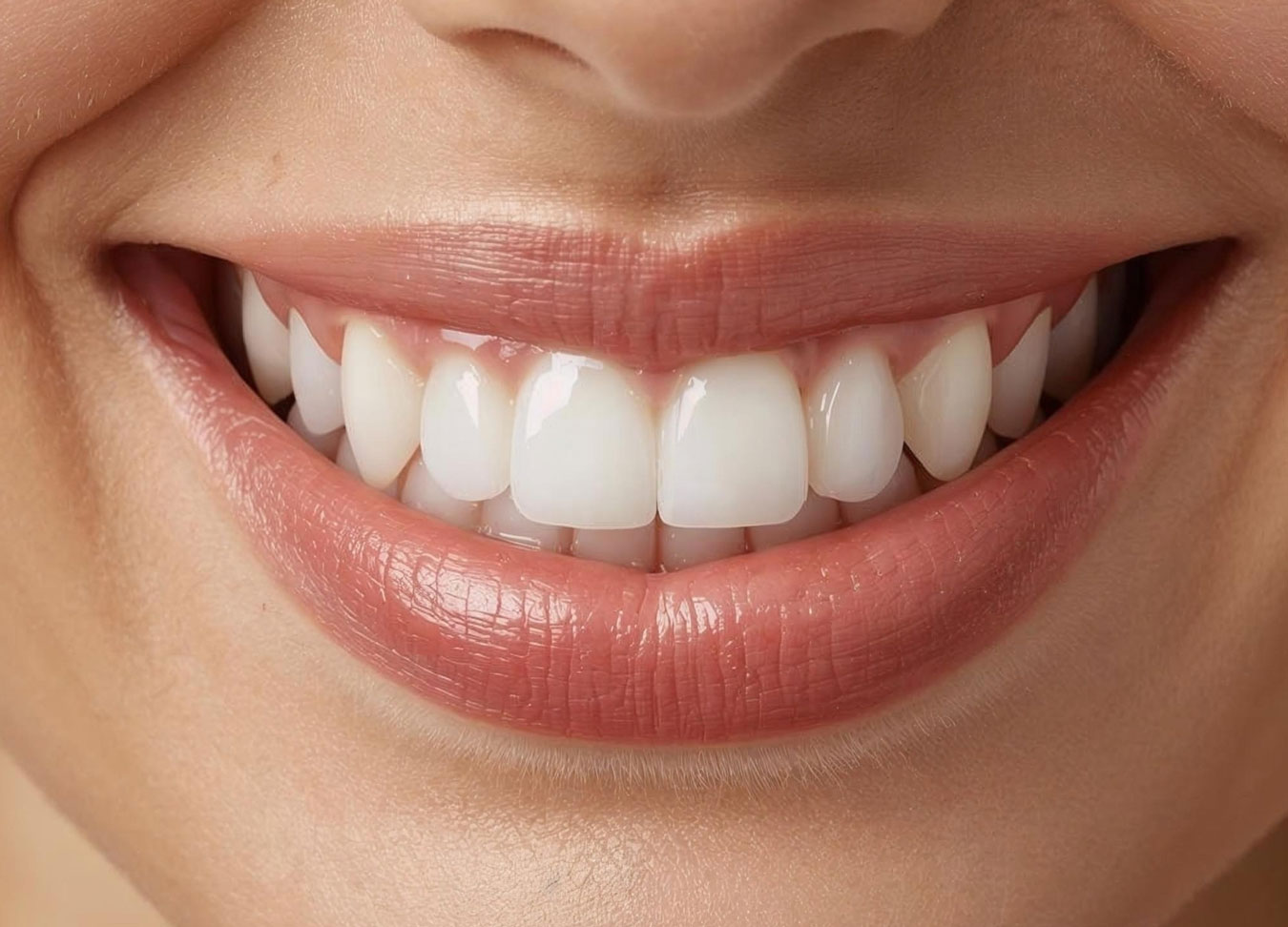
At Summit Dental Care in Kilimani, Nairobi, our specialists perform the following cosmetic gum surgeries:
Overview Of Periodontal Plastic Surgery
If you are concerned about excess gum tissue (Gummy Smile) or an uneven gum line, crown lengthening and gum contouring are minimally invasive periodontal procedures that can improve the balance of your gums and teeth, creating a well-proportioned and symmetrical smile.
Aesthetic crown lengthening is a procedure to remove excess gum or bone tissue, exposing more of the “crown” of the tooth. This procedure is for patients who feel their teeth are too short or their gum line is uneven. The gum line is then sculpted to create the right proportion between gum tissue and tooth surface. This can be done to just one tooth, or to enhance your entire smile.
Crown lengthening may also be requested by your dentist to make a restorative or cosmetic dental procedure possible. A tooth may be decayed, broken below the gum line, or has insufficient tooth structure for a restoration, such as a crown or bridge. Crown lengthening adjusts the gum and bone level to expose more of the tooth so it can be restored.
Dental crown lengthening is a procedure that aims to contour gum tissue at the base of a tooth. Oftentimes, the goal is to perform this procedure to make one’s smile appear straighter, thus solving cosmetic imperfections. In other cases, dental crown lengthening is done in order to secure the base of a dental crown that was placed to restore a tooth that was in bad shape. Continue reading to learn more about the procedure.
An overview of dental crown lengthening
Below is an overview of what is involved in a dental crown lengthening procedure. Reviewing this information allows for a thorough understanding of what to expect. This eliminates any surprises from arising later on.
The procedure
Outlined below are the steps of a dental crown lengthening procedure:
- To start the procedure, an anesthetic is In some cases, a pain reliever is also given ahead of time to ensure that there is little to no discomfort felt
- A dental instrument such as a scalpel is typically used to remove the excess gum tissue at the base of the teeth. Some periodontists are utilizing dental lasers, which can also be used to remove the tissue
- The wound is thoroughly cleaned to ensure that an infection does not form. A dressing might be applied to allow for healing and protection
- The periodontist may provide an antibiotic and pain reliever to help with the healing process
The steps for dental crown lengthening may vary depending on each specific patient. However, what is provided above can generally be expected from the procedure.
What to know before your procedure
There are a few important things to know before undergoing a crown lengthening procedure. Having an understanding of the following information is a good idea in order to know what to expect:
- Crown lengthening procedures are typically done in out-patient oral surgery facilities
- The procedure can usually be completed within an hour, pending there are no complications
- This procedure is considered surgical, which means that sedation may be administered in addition to the local anesthetic
- After the dental crown lengthening procedure is complete, there is usually some slight discomfort
- Full recovery tends to take up to a month or more, depending on the severity of the original gum tissue
These details about the procedure are not meant to cause anxiety in patients, but rather help prepare properly. Of course, the periodontist may offer additional information that is specific to the patient.
Ready to schedule your appointment?
Lip Repositioning
Do you feel unsatisfied with your gummy smile?
Achieve a Balanced Smile with Lip Repositioning done at our dental clinic in Kilimani, Nairobi.
While a little show of the gumline may appear cute, excessive gum tissue exposure may look disproportionate and affect your smile aesthetics. At Summit Dental Care, we provide optimal solutions for your smile and oral care. Dr. Joseh Gakonyo performs lip repositioning surgery in Kilimani, Nairobi, which restricts the upper lip and positions it to reduce gum display. The result is a harmonious, well-balanced smile that makes you feel more confident about your appearance!
Root Coverage / Gum Grafting/ Gum Recession Treatment
Sometimes gum recession causes the tooth root to become exposed, which makes your teeth look long, become very sensitive, or difficult to keep clean. This recession can happen as a result of a variety of causes, including periodontal diseases, toothbrush abrasion or tooth movement.
Gum graft surgery and other root coverage procedures are designed to cover exposed roots, to reduce further gum recession and to protect vulnerable roots from decay. The gum is lifted up and repositioned over the exposed root. Thin gum is often made thicker by placing a piece of tissue taken from elsewhere in the patient’s mouth. Collagen or skin tissue from animal or human donor sources may also be used.
What is Gum Grafting?
Gum grafting is an important periodontal treatment for preserving oral health. Also referred to as a gingival graft, the procedure involves placing healthy gum tissue where needed. The surgical procedure takes healthy gum tissue from the patient or a donor and uses it to cover areas where the gums have receded.
According to the Centers for Disease Control and Prevention, nearly half of all adults over 30 years of age have some form of periodontal / gum disease disease. This increases to 70% for those ages 65 and over. Gum recession, being a major feature of this disease, makes the need for gum grafts a relatively common procedure at Summit Dental Care in Nairobi.
Benefits of Gum Grafting
Gum recession is the chief reason behind most gum grafting procedures. It is a common problem in adults and may even occur in younger people. When the gums recede, they are not only unsightly but also leave the roots exposed.
Exposure of the roots can open a person up to a whole host of oral health problems. These include increased tooth sensitivity, decay, infection, difficulty with brushing and inflammation. Also, the recession often happens so slowly that many people do not notice it is happening. If left untreated, gingival recession can eventually lead to tooth loss.
Reasons for Needing a Gum Graft
The Gum Grafting Treatment Process
A gum graft is typically an outpatient procedure that takes about an hour to an hour and a half. The periodontist at Summit Dental Care uses local anesthesia to numb the area the procedure is performed on. Patients do not report much discomfort during the procedure beyond some pressure in the procedure area.
There are three types of gum grafts, and our periodontist will recommend one type based on the patient’s individual case. The types of gingival graft procedures are:
Connective tissue graft: This is the most common gum graft. A piece of connective tissue from under the top layer of tissue is stitched into the area needing the graft. The periodontist opens a small flap in the roof/palate of the mouth to retrieve the tissue.
Free gingival graft: A small piece of tissue is taken from the roof of the mouth and stitched into the area that needs the tissue. This type of gum graft is usually reserved for those with thin gums who need extra tissue to prevent further recession.
Pedicle graft: This tends to be the most successful type of gum graft, but the patient needs to have plenty of tissue in the area needing the graft for it to work. The periodontist takes a flap of tissue from an area next to the site of the gum recession to cover the roots of the recessed area.
Right after the procedure, the patient may be asked to rinse their mouth out with an antibacterial mouthwash. Then, the periodontist will discuss how to care for their mouth during the healing period.
Post-Treatment Care
If the patient has chosen to take sedating medication during the procedure, they will need to arrange for a ride home after. Altogether, it may take a week or two for the mouth to completely heal. However, most are able to return to work or their normal activities the day after surgery. Patients typically have a follow-up appointment with our periodontist about a week after surgery to make sure the gums are healing as they should.
Our team will give the patient detailed aftercare instructions specific to their case, but there are some general things most patients can expect. The patient should not brush or floss the treated area until it is healed in about 14 days. However, they will likely be given a special mouthwash to help control plaque during this period. Some patients are put on an antibiotic to reduce the risk of infection. During the one-to-two-week healing period, be sure to have soft and cool foods on hand. We advise not chewing immediately after surgery until the anesthetic has worn off.
Discomfort is a common concern for most patients during the healing period. The discomfort should be minimal and is often well-controlled with pain medication precribed at Summit Dental Care. There is more discomfort associated with gum graft procedures that take tissue from the palate. WebMD states that some describe this wound as a “major pizza burn”. The good news is that healing tends to happen quickly. If the patient experiences bleeding after surgery that will not stop after 20 minutes of pressure or more pain, swelling, or bruising than originally expected, call our office right away on +254 743 111 999.
Ridge Augmentation
Tooth loss can cause an indentation in the gums and jawbone where the tooth used to be. This happens because the jawbone recedes when it no longer is holding a tooth in place. Not only is this indention unnatural looking, it also causes the replacement tooth to look too long compared to the adjacent teeth.
Ridge augmentation can fill in this defect recapturing a more natural contour of the gums and jaw. A new tooth can then be created that is natural looking, easy to clean and more aesthetic. Connective tissue and bone from the patient or donor tissue are often used. Other substitute collagen or bone materials are also available.
Cosmetic Gum Surgery Frequently Asked Questions
A. There is always a risk of complications with any surgery. With our skilled periodontal team, there is a small risk and lower failure rate. Our periodontist will discuss any potential complications during the consultation. In the event there are complications, our team is well prepared to deal with them.
Gum or gingival recession can be the result of a number of things, including disease and injury. As mentioned before, gum disease can lead to gum recession. However, bad habits such as smoking, poor oral hygiene, brushing too hard, grinding your teeth, chewing miraa/khat and smoking can also cause gums to recede. If you engage in any of these habits, quitting may go a long way to help prevent gum recession. Unfortunately, some causes of receding gums are beyond a person’s control, such as hormonal changes in women and a genetic predisposition to receding gums due to a thin phenotype of gum.
Some periodontists and patients prefer using donor tissue for the gum graft. However, using donor tissue requires a great deal of skill on the part of the practitioner. Also, the use of donor tissue is not a viable option for every case. Use of commercially available substitutes have advantages including being able to graft several teeth in one visit and less discomfort because there is no need to remove tissue from the patient’s mouth. The best option for you will be discussed after examining your case.
Beyond your regular oral hygiene routine, there is no need to do anything extra to be ready for the procedure. Besides arranging a ride after surgery, if you plan to be sedated, you do not need to do much besides show up. There are no precautions or dietary changes to make in the day or hours leading up to the procedure. The periodontist at Summit Dental Care will collect all the information they need at the consultation. Just make sure you have a good understanding of the aftercare instructions before going home after surgery.