
Tooth Filling
Dental Fillings in Nairobi
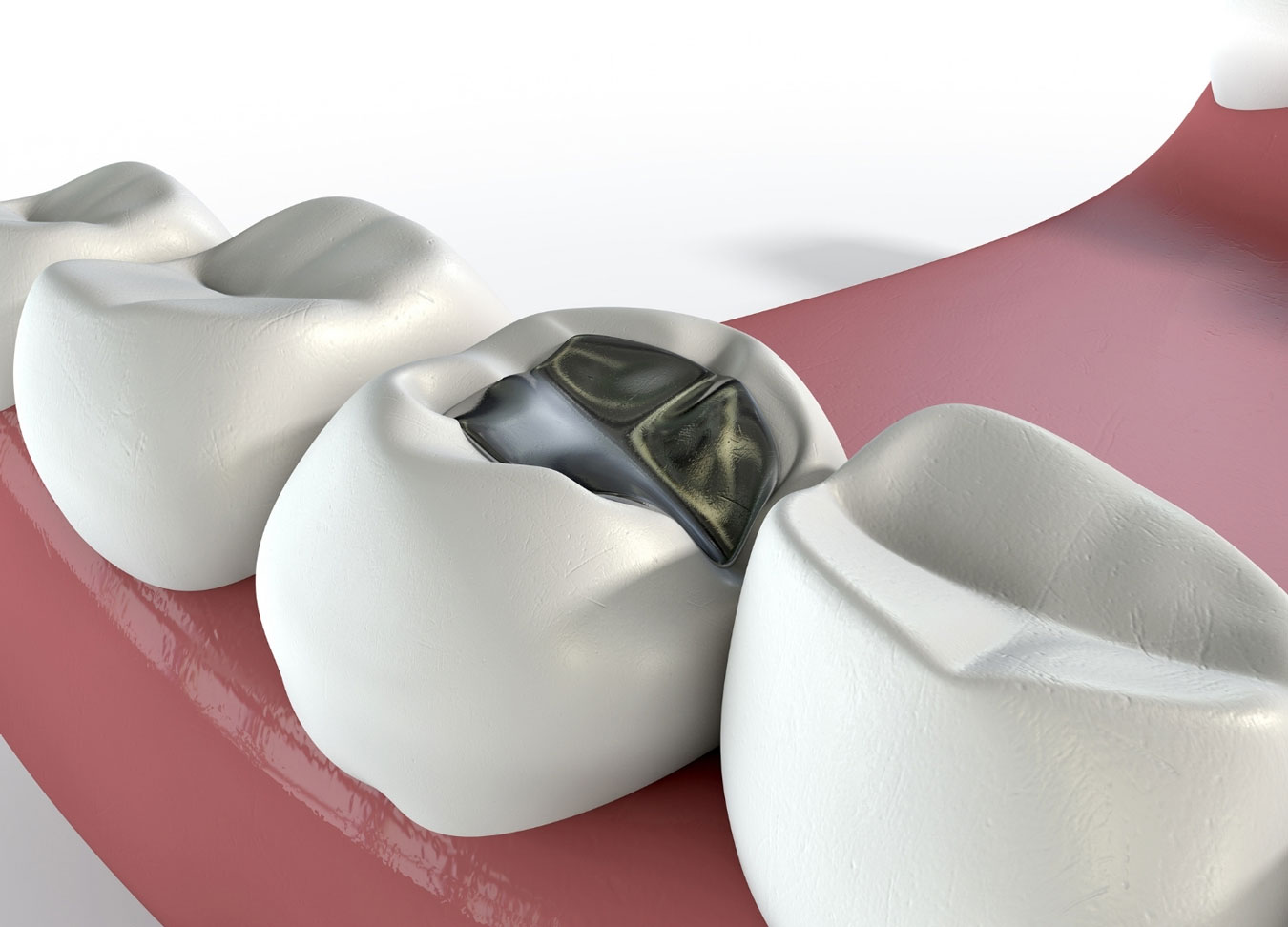
Types of Dental Fillings
1. Amalgam Fillings
These are silver-colored fillings made of silver, mercury, tin, and copper. Amalgam fillings are strong and long-lasting, but their silver appearance makes them less aesthetically pleasing. We no longer offer amalgam fillings at Summit Dental Care Nairobi.
2. Glass ionomer cement fillings
Glass Ionomer cement is a tooth-colored dental filling material. It has a unique quality known as the “anti-cariogenic” property; this means that it stops caries from developing as a result of fluoride release.
3. Composite Resin Fillings
These tooth-colored fillings are made of plastic and fine glass particles. Composite resin fillings can be closely matched to the natural color of the teeth, providing a more aesthetic result.
4. Ceramic or Porcelain Fillings
These fillings are made of porcelain material and can be custom-made in a dental laboratory to closely match the color and appearance of the natural teeth.
5. Gold Fillings
Gold fillings are made of a gold alloy material and are highly durable and long-lasting. They are typically more expensive than other types of fillings.
The Procedure for Dental Fillings
At Summit Dental Care, we administer a local anesthetic to numb the area around the affected tooth, ensuring a pain-free procedure. The decayed portion of the tooth is removed using dental instruments, such as a drill or laser, to create a clean and healthy surface for the filling.
The tooth is prepared by cleaning and shaping it to provide a secure and stable foundation for the filling material. The filling material, such as composite resin, amalgam, gold, or porcelain, is placed into the prepared tooth, filling the cavity or damaged area. The filling material is shaped and sculpted to match the natural contours of the tooth. It is then hardened and bonded to the tooth using a special light or chemical agent. The filling is polished to ensure a comfortable, smooth surface that blends with the surrounding teeth.
The Benefits of Dental Fillings
- Fillings help restore the integrity and strength of a tooth damaged by decay or minor fractures.
- Removing decayed areas and sealing the tooth with a filling prevent further progression of decay, helping preserve the tooth.
- Dental fillings can alleviate tooth sensitivity caused by exposed nerves or enamel erosion.
- Fillings restore the biting and chewing functionality of the tooth, allowing for normal oral function.
Consequences of not getting a filling done
If you ignore the cavity that has been created, the pulp cavity could become infected and become very painful. Fillings won’t be enough to treat the problem and one might require root canal treatment. Grossly decayed teeth may need to be extracted and replaced with a dental implant immediately or at a later date after grafting the etraction site.
Dental Composite Masking In Nairobi
Composite masking is a minimally invasive, cost-effective, and fast-acting dental procedure used to treat dental fluorosis, especially in mild-to-moderate cases. It involves applying tooth-colored resin directly onto the stained or pitted enamel to camouflage discoloration, improve aesthetics, and restore tooth shape.
Key Aspects of Composite Masking for Fluorosis
- Procedure: A dentist cleans the teeth, removes minimal, if any, tooth structure, applies an adhesive, and shapes composite resin to hide stains (often white or brown spots).
- Benefits: It is generally completed in a single visit, is less invasive than veneers or crowns, and offers immediate aesthetic improvement.
- Effectiveness: It effectively covers moderate fluorosis, though severe cases might require a more extensive "opaque" layer to mask deep, dark stains.
- Alternative Treatments: While effective, composite bonding is often used alongside, or following, other techniques like tooth whitening, enamel microabrasion, or resin infiltration.
This cosmetic approach helps patients improve their confidence in smiling by correcting white streaks or dark pits associated with high fluoride consumption.
Dental Filling Frequently Asked Questions
Dental amalgam is generally considered safe for the public, containing elemental mercury bound with other metals, as affirmed by the FDA and ADA. While it releases low levels of mercury vapor, studies show these levels do not cause adverse systemic health effects in most people.
However, risks are higher for specific populations (pregnant women, children <6, kidney patients), according to the FDA.
The International Association for Dental, Oral, and Craniofacial Research advises against removing intact amalgam fillings unless necessary (e.g., allergies), as the removal process itself can temporarily increase mercury exposure.
Dental fillings typically last between 5 and 30 years, depending on the material, location, and oral hygiene, with an average lifespan of about 15 years. Gold and amalgam (silver) fillings are the most durable (10–30+ years), while composite (tooth-colored) resin lasts 5–15 years and glass ionomer lasts about 5 years.
Dental fillings in Kenya generally cost between KES 5,000 and KES 15,000 per tooth, depending on the material, cavity size, and clinic. White composite fillings typically range from KES 8000 to KES 15,000, while more complex restorations or premium clinics may charge up to KES 20,000.